Why Kids Fall Sick Frequently and How Parents Can Improve Immunity
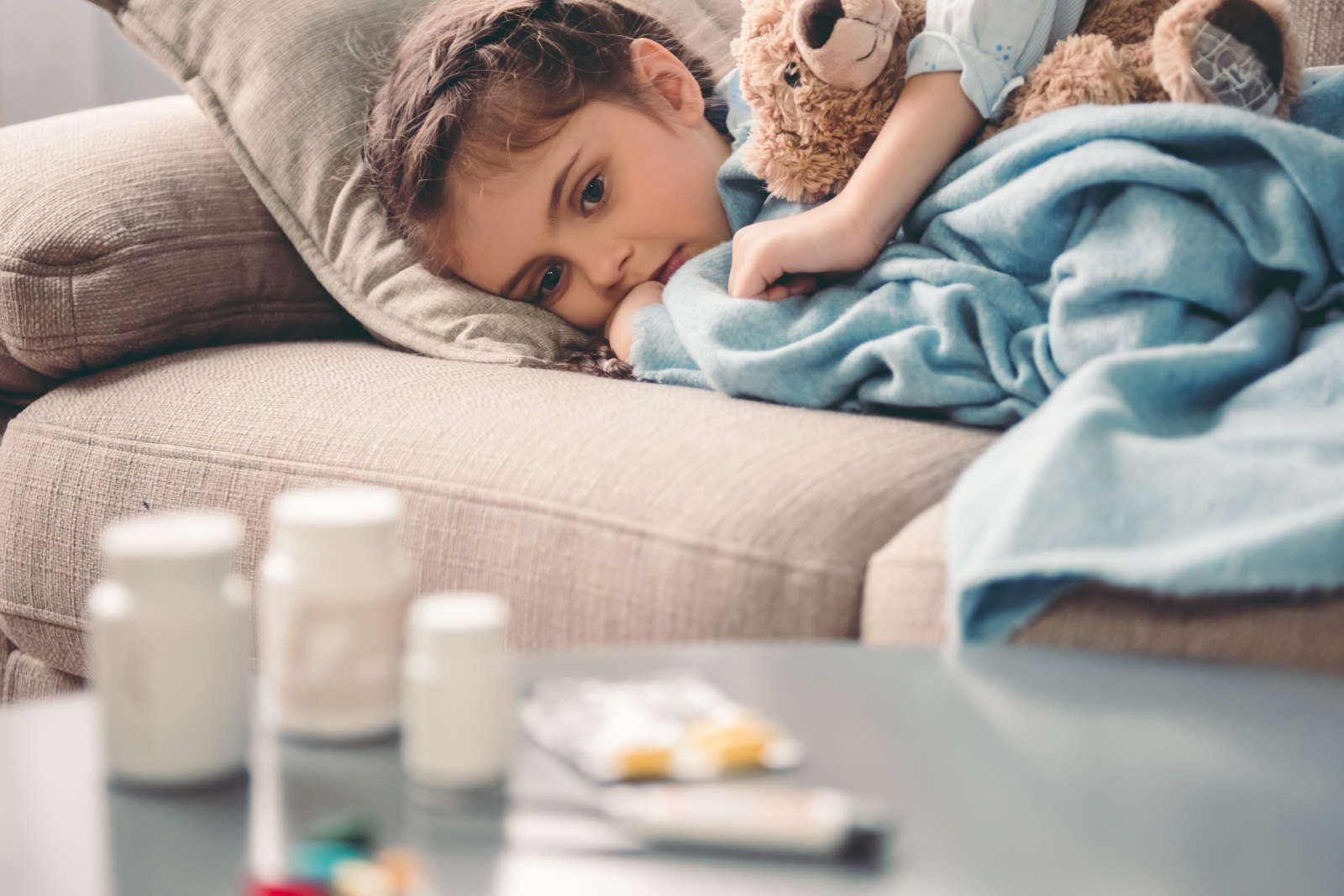
"Doctor, my child falls sick every month. Something is definitely wrong with his immunity." This is one of the most common concerns Dr. Satyanarayana BH hears from anxious parents at Sri Sai Women & Children's Clinic in Gopanpally. The worry is completely understandable watching your child repeatedly miss school, suffer through one cold after another, and appear less energetic than other children is genuinely distressing. But the truth delivered with both honesty and reassurance is that frequent illness in young children is, in most cases, entirely normal and expected. Understanding why young children fall sick frequently, when frequency truly indicates an immune problem, and what practical steps parents can take to support their child's immunity is the focus of this comprehensive guide from Dr. Satyanarayana BH — MBBS, DCH (Gold Medalist), MRCPCH.
How Many Illnesses Per Year Is 'Normal' for a Child?
- Infants (0-12 months): 6-8 respiratory infections per year is completely normal.
- Toddlers (1-3 years): 8-10 respiratory infections per year particularly if in daycare or with older siblings.
- Preschool children (3-6 years): 6-8 per year.
- School-age children (6-12 years): 4-6 per year.
Each of these illnesses typically mild upper respiratory infections lasts 7–10 days. For a toddler in daycare with 10 illnesses a year, this means they can seem sick for a large proportion of the year which is developmentally normal, not a sign of an immune deficiency.
Why Do Young Children Fall Sick So Often?
1. An Immune System That Is Still Learning
The human immune system is not fully developed at birth it takes 10–12 years of repeated pathogen exposure to develop the full immunological memory of an adult. Every viral and bacterial infection a young child encounters is the immune system's 'training session' building antibodies and immunological memory that prevent future illness from the same pathogen. The frequent illnesses of early childhood are the price of this education and the result is a stronger immune system in later childhood.
2. First Exposure to a Large Germ Pool
Starting daycare, playgroup, or school dramatically increases a child's exposure to pathogens typically 200+ respiratory viruses are circulating in any childcare setting. A child who joins daycare at 18 months will initially seem to be sick constantly as they encounter these viruses for the first time. Children who stayed at home until school age tend to get their frequent illness phase later in class 1 or 2 rather than earlier.
3. Incomplete Vaccination Coverage
Some frequent childhood illnesses are vaccine-preventable including influenza, pneumococcal disease, haemophilus influenzae disease, and rotavirus gastroenteritis. Ensuring your child is fully vaccinated on schedule at Sri Sai Clinic, Gopanpally, including optional vaccines that go beyond the government schedule, significantly reduces the frequency of severe or specific infections.
4. Nutritional Deficiencies
Vitamin D deficiency (extremely prevalent in Indian children despite abundant sunshine), iron deficiency anaemia, and zinc deficiency are the most common nutritional immune-compromisers in Hyderabad's paediatric population. Vitamin D plays a critical role in immune function adequate vitamin D levels reduce the susceptibility to respiratory infections. Dr. Satyanarayana assesses nutritional status as part of the evaluation for frequently ill children at Sri Sai Clinic, Gopanpally.
5. Environmental Factors
- Passive smoking: Children in households where adults smoke have significantly higher rates of respiratory infections, asthma, and ear infections.
- Indoor allergens: Dust mites, mold, and cockroach allergens in the home chronically inflame the upper respiratory tract, making it more susceptible to infection.
- Air pollution: Hyderabad's traffic-related air pollution and construction dust in rapidly developing areas like Gopanpally and Nallagandla increase the burden of respiratory inflammation in children.
- Poor ventilation: Poorly ventilated classrooms and homes in Hyderabad's dense residential areas promote pathogen transmission.
6. Sleep Deprivation
Sleep is one of the most important immune system regulators growth hormone and several immune-active compounds are secreted primarily during deep sleep. Children who are not getting age-appropriate sleep (10–14 hours for toddlers; 9–11 hours for school children; 8–10 hours for teenagers) have measurably impaired immune responses. Screen time in the bedroom, late meal times, and inadequate bedtime routines common patterns in urban Hyderabad families contribute to sleep deficiency in children.
7. Chronic Stress
Stress including school pressure, exam anxiety, family conflict, and major life changes activates the hypothalamic-pituitary-adrenal axis, which suppresses immune function when chronically activated. Even in young children, chronic psychological stress reduces resistance to infections. In Hyderabad's competitive academic environment, school-age children face increasingly early academic pressure that may contribute to immune vulnerability.
When Frequent Illness Signals a True Immune Problem
Dr. Satyanarayana BH uses specific clinical criteria to distinguish normal frequent childhood illness from a potentially significant immune deficiency:
Consider specialist evaluation if your child has: 4+ ear infections in a year; 2+ pneumonias in a year; serious or unusual infections; infections that require IV antibiotics; infections that don't respond to antibiotics; family history of immune deficiency; or failure to gain weight normally.
How Parents Can Support Their Child's Immunity — Evidence-Based Tips
1. Vaccination — The Most Powerful Immune Booster
Complete the national vaccination schedule AND discuss optional vaccines (influenza, PCV13/PCV15, varicella, hepatitis A, typhoid, meningococcal) with Dr. Satyanarayana BH at Sri Sai Clinic, Gopanpally. Vaccines are the most evidence-based immune-supporting intervention available.
2. Nutrition for Immune Support
- Vitamin D supplement all exclusively breastfed infants (400 IU daily) and children with inadequate sun exposure
- Zinc-rich foods: meat, eggs, dal, pumpkin seeds, sesame seeds, whole grains
- Vitamin C: guava, amla, citrus fruits, capsicum support neutrophil function
- Probiotics: daily curd (dahi) supports gut-associated immune function
- Iron-rich foods: palak, ragi, dates, eggs anaemia impairs immune responses
- Avoid excess sugar high sugar intake transiently suppresses immune cell function
3. Sleep — Non-Negotiable for Immunity
Age-appropriate sleep targets: newborns 14–17 hours; infants 12–15 hours; toddlers 11–14 hours; preschool 10–13 hours; school-age 9–11 hours; teens 8–10 hours. Maintain consistent bedtimes, exclude screens from the bedroom, and keep the bedroom cool and dark.
4. Outdoor Play and Exercise
Daily outdoor play even in urban Gopanpally exposes children to diverse microbial environments that train the immune system, provides vitamin D from sunshine, reduces stress hormones, and promotes better sleep. The 'hygiene hypothesis' supported by strong evidence shows that children who play outdoors, have pets, or are exposed to diverse environments develop more robust immune systems.
5. Breastfeeding — The Original Immune Booster
Breast milk contains maternal antibodies (sIgA), lactoferrin, human milk oligosaccharides, and immune-modulating factors that directly protect the infant and educate the developing immune system. Exclusive breastfeeding for 6 months recommended by Dr. Satyanarayana at Sri Sai Clinic provides the most effective early immune protection.
Internal Links
- Complete Vaccination Schedule for Children — Sri Sai Clinic Gopanpally
- Diet and Nutrition for Children — Dr. Satyanarayana Gopanpally
- Paediatric OPD for Frequently Ill Children — Sri Sai Clinic Gopanpally
- Book Appointment with Paediatrician Gopanpally Nallagandla
Conclusion
Frequent childhood illness, in the vast majority of cases, is not a sign of a broken immune system it is the signature of an immune system actively developing its repertoire through the school of life. But parents are right to ask the question and right to seek expert guidance on when frequency becomes concern. At Sri Sai Women & Children's Clinic in Gopanpally, Dr. Satyanarayana BH evaluates each frequently ill child systematically identifying nutritional gaps, vaccination opportunities, environmental triggers, and the rare genuine immune deficiency. Serving families across Gopanpally, Nallagandla, Tellapur, Serilingampally, and all of Hyderabad.
Child falling sick too often? Get expert evaluation from Dr. Satyanarayana at Sri Sai Clinic, Gopanpally. Call: +91-9347761835