
Signs of Hormonal Imbalance in Women
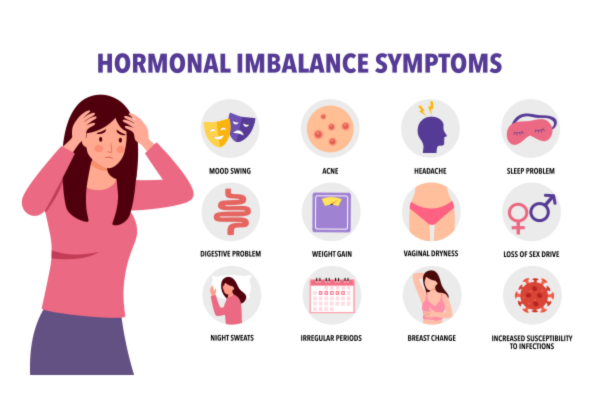
Hormones are the body's silent messengers tiny chemical compounds produced by glands throughout the body that travel through the bloodstream and regulate virtually every function: mood, metabolism, sleep, fertility, weight, skin, hair, energy, and more. When these messengers are in balance, the body works quietly and efficiently. When they fall out of balance, the consequences can be wide-ranging, persistent, and deeply disruptive to a woman's quality of life. Yet the signs of hormonal imbalance in women are so varied — and so often dismissed as "just stress" or "getting older" that many women live with them for years without receiving a proper diagnosis or treatment. At Sri Sai Women & Children's Clinic in Gopanpally, Hyderabad, Dr. Vanisree Padige a highly experienced gynaecologist and women's hormonal health specialist with 16 years of expertise sees the real impact of undiagnosed hormonal imbalance in her patients every day. This comprehensive guide covers the key signs of hormonal imbalance in women, the hormones most commonly involved, what causes them to go out of balance, and what you can do about it. Whether you are in Gopanpally, Nallagandla, Tellapur, Serilingampally, or anywhere across Hyderabad, this guide was written with you in mind.
What Is Hormonal Imbalance in Women?
Hormonal imbalance occurs when there is too much or too little of one or more hormones in the bloodstream. Even small deviations from the normal hormonal range can trigger significant symptoms because the body's hormonal systems are exquisitely sensitive and deeply interconnected. A disruption in one hormone often creates a cascade effect, pulling others out of balance too.
The key hormones most commonly involved in imbalance in women include:
- Estrogen: The primary female sex hormone regulates the menstrual cycle, supports bone density, cardiovascular health, skin elasticity, and mood.
- Progesterone: Works in counterbalance to estrogen prepares the uterus for pregnancy, supports early pregnancy, and regulates the second half of the menstrual cycle.
- Testosterone: Present in small amounts in women supports libido, energy, muscle mass, and mood. Excess causes PCOS symptoms; deficiency causes fatigue and low drive.
- Thyroid hormones (T3 and T4): Regulate metabolism, energy levels, body temperature, heart rate, and virtually every organ system. Thyroid disorders are among the most common hormonal conditions in Indian women.
- Insulin: Produced by the pancreas regulates blood sugar. Insulin resistance (common in PCOS and pre-diabetes) is one of the most prevalent hormonal disruptions in urban Indian women.
- Cortisol: The body's primary stress hormone when chronically elevated due to ongoing stress, it disrupts nearly every other hormonal system.
- Prolactin: Produced by the pituitary gland regulates breast milk production. Elevated outside breastfeeding causes irregular periods, infertility, and breast discharge.
- FSH and LH: Follicle stimulating hormone and luteinizing hormone regulate ovulation and are disrupted in conditions like PCOS and premature ovarian insufficiency.
- Late diagnosis: The average Indian woman with PCOS is diagnosed several years after symptoms begin often only when she is trying to conceive and failing. Years of unmanaged PCOS mean a longer duration of hormonal disruption and metabolic effects on fertility.
Hormonal imbalance in women can occur at any age from adolescence to menopause and beyond. It is not a single condition but a spectrum of disruptions with many possible causes and presentations. This is precisely why accurate diagnosis by a specialist like Dr. Vanisree Padige at Sri Sai Women & Children's Clinic, Gopanpally, is essential the symptoms of hormonal imbalance overlap with many other conditions and require targeted hormonal testing to identify correctly.
14 Key Signs of Hormonal Imbalance in Women
The signs of hormonal imbalance in women can affect virtually every system in the body. Below are the 14 most important signs each one a message your body may be sending that deserves medical attention:
1. Irregular, Absent, or Heavy Periods
Changes in menstrual patterns are the most recognizable sign of hormonal imbalance in women. Irregular cycles, missed periods, very light spotting, or excessively heavy bleeding all reflect disruptions in estrogen, progesterone, LH, and FSH the hormones that govern the menstrual cycle. The most common causes include PCOS, thyroid disorders, hyperprolactinaemia, premature ovarian insufficiency, and perimenopause. Dr. Vanisree Padige at Sri Sai Women & Children's Clinic, Gopanpally, emphasizes that no menstrual change whether subtle or dramatic should be dismissed without investigation.
2. Unexplained Weight Gain or Difficulty Losing Weight
If you are eating sensibly and exercising regularly yet still gaining weight or finding it nearly impossible to lose weight, particularly around the abdomen hormonal imbalance may be the reason. Hypothyroidism slows the metabolic rate, causing weight gain even with a normal diet. Insulin resistance (common in PCOS) causes the body to store fat more readily. Elevated cortisol from chronic stress triggers abdominal fat accumulation. Estrogen dominance in perimenopause causes weight to redistribute to the hips and waist. Each of these requires a different medical approach which is why accurate hormonal testing is so important.
3. Persistent Fatigue and Low Energy
Fatigue that is disproportionate to your activity level, that does not resolve with rest, or that has gradually worsened over time is a hallmark sign of hormonal imbalance. Hypothyroidism is one of the most common causes even mild hypothyroidism can cause profound tiredness. Adrenal fatigue (chronically elevated then depleted cortisol), low estrogen in perimenopause, anaemia from heavy periods, and insulin dysregulation all cause persistent low energy. In Indian women who carry the triple burden of professional responsibilities, household expectations, and often undiagnosed hormonal conditions this fatigue is frequently normalized as "just being busy" when it is actually a medical signal.
4. Mood Swings, Anxiety, and Depression
Hormones profoundly influence brain chemistry. Estrogen enhances serotonin and dopamine the brain's mood-regulating neurotransmitters. Progesterone has a calming, anti-anxiety effect. When these hormones fluctuate or fall as in the premenstrual phase, perimenopause, postpartum period, or in thyroid disorders mood can destabilize dramatically. Women may experience irritability, unexplained tearfulness, persistent anxiety, low mood, or loss of motivation that seems disconnected from life circumstances. These emotional symptoms are biological in origin and respond to hormonal management they are not a character flaw or weakness.
5. Sleep Disturbances and Insomnia
Hormones regulate the sleep-wake cycle in multiple ways. Progesterone promotes deep, restful sleep its decline in the premenstrual phase and perimenopause often causes insomnia and night waking. Cortisol follows a natural daily rhythm when chronically elevated by stress, it keeps the brain in an alert state at night. Hot flushes and night sweats in perimenopause and menopause directly disrupt sleep architecture. Thyroid disorders also disrupt normal sleep cycles. Women who lie awake at night despite exhaustion, or who wake repeatedly without obvious cause, may be experiencing a classic sign of hormonal imbalance that deserves investigation.
6. Hot Flushes and Night Sweats
Hot flushes sudden waves of intense heat, often accompanied by sweating, flushing, and a rapid heartbeat are the classic sign of estrogen deficiency in perimenopause and menopause. However, they can also occur in younger women with premature ovarian insufficiency, during certain medical treatments, or with significant hormonal fluctuations. Night sweats hot flushes occurring during sleep severely disrupt sleep quality and are a very common presenting complaint among perimenopausal women in Hyderabad. They are a clear signal that estrogen levels need to be evaluated.
7. Acne and Oily Skin in Adulthood
Hormonal acne in adult women appearing along the jawline, chin, and lower cheeks is directly driven by androgen excess. Elevated testosterone and DHEA-S stimulate sebaceous glands to produce excess oil, clogging pores and causing cystic, painful breakouts. This is a hallmark of PCOS, but can also occur in the premenstrual phase (when progesterone rises and pore size temporarily increases) and during perimenopause (when the estrogen-androgen ratio shifts). Adult hormonal acne does not respond well to standard skincare alone and typically requires hormonal management for lasting improvement.
8. Hair Thinning, Scalp Hair Loss, or Excess Body Hair
Hormonal imbalance can affect hair in paradoxical ways simultaneously. Excess androgens in PCOS cause hair thinning at the scalp crown (female pattern hair loss) while simultaneously stimulating dark, coarse hair growth on the face, chest, abdomen, and thighs a condition called hirsutism. Hypothyroidism causes diffuse hair loss across the scalp and thinning of the outer third of the eyebrows a particularly classic sign. Estrogen deficiency in perimenopause causes hair to become finer and less dense overall. Identifying which hormone is responsible and treating it precisely is the only lasting solution for hormonal hair changes.
9. Low Libido and Vaginal Dryness
A persistent decline in sexual desire particularly when it feels different from your normal baseline is frequently hormonal in origin. Testosterone plays an important role in female libido; low levels (which can occur naturally with age, after oophorectomy, or in adrenal insufficiency) reduce sexual interest and energy. Estrogen deficiency in perimenopause and menopause causes vaginal dryness, thinning of vaginal walls (vaginal atrophy), and painful intercourse further suppressing sexual well-being. These are medical symptoms that respond well to treatment; they should never be accepted as inevitable or untreatable.
10. Breast Tenderness and Swelling
Cyclic breast tenderness in the premenstrual phase is common and related to progesterone fluctuation. However, persistent, severe, or non-cyclic breast tenderness particularly when accompanied by breast fullness or nipple discharge (galactorrhoea) unrelated to breastfeeding is a sign of hormonal imbalance. Elevated prolactin is the most common hormonal cause of breast discharge outside of pregnancy and lactation. Estrogen dominance (a relative excess of estrogen over progesterone) also causes breast tissue to swell and become unusually tender.
11. Digestive Problems and Bloating
The digestive system is richly supplied with hormone receptors particularly for estrogen and progesterone. Premenstrual bloating, constipation, or loose stools in the days before a period are a direct consequence of progesterone slowing gut motility. Hypothyroidism commonly causes chronic constipation. Cortisol excess from chronic stress impairs gut lining integrity and is linked to IBS-like symptoms. Women who notice that their digestive symptoms worsen cyclically tracking with their menstrual cycle are likely experiencing a direct hormonal effect on their gut.
12. Difficulty Concentrating and Brain Fog
"Brain fog" difficulty concentrating, forgetfulness, slowed thinking, and mental fatigue is one of the most commonly reported but least understood signs of hormonal imbalance in women. Estrogen supports cognitive function and memory by promoting blood flow to the brain and enhancing neurotransmitter activity. Its decline in perimenopause frequently causes memory lapses and concentration difficulties that can significantly impact professional performance. Hypothyroidism is another major cause of cognitive slowing it is often the underlying reason behind what women attribute to stress or overwork. Elevated cortisol from chronic stress also impairs the hippocampus (the brain's memory centre) over time.
13. Skin Changes — Dryness, Pigmentation, or Rashes
Skin health is intimately connected to hormonal status. Estrogen maintains skin collagen, elasticity, and moisture its decline in perimenopause causes skin to become drier, thinner, and more prone to wrinkling. Acanthosis nigricans a dark, velvety skin discolouration at the neck, underarms, and groin signals insulin resistance and is commonly seen in women with PCOS. Melasma (patches of skin darkening on the face) is estrogen-driven and often triggered or worsened by pregnancy, oral contraceptive use, or sun exposure. Thyroid disorders can cause the skin to become unusually dry, rough, and pale (hypothyroidism) or warm, sweaty, and flushed (hyperthyroidism).
14. Infertility and Difficulty Conceiving
Difficulty conceiving after 6–12 months of regular unprotected intercourse is frequently the consequence of an underlying hormonal imbalance most commonly anovulation caused by PCOS, thyroid dysfunction suppressing ovulation, elevated prolactin disrupting the LH surge, or low progesterone preventing successful implantation. Infertility is rarely the first sign of hormonal imbalance it is usually the culmination of a hormonal disruption that has been present, often silently, for months or years. Early identification and treatment of hormonal imbalance before a woman reaches the point of struggling to conceive is one of the most impactful interventions in women's healthcare.
What Causes Hormonal Imbalance in Women?
Hormonal imbalance in women arises from a wide range of causes some intrinsic to the body and others driven by lifestyle and environment. Understanding the cause is essential to choosing the right treatment.
Medical Conditions That Cause Hormonal Imbalance
- Polycystic Ovary Syndrome (PCOS) the most common hormonal disorder in reproductive-age Indian women
- Thyroid disorders hypothyroidism and hyperthyroidism; particularly prevalent in Indian women
- Hyperprolactinaemia elevated prolactin from a pituitary adenoma or certain medications
- Premature ovarian insufficiency (POI) ovarian failure before age 40
- Perimenopause and menopause the natural estrogen decline of middle age
- Adrenal disorders including adrenal hyperplasia and Cushing syndrome
- Diabetes and insulin resistance disrupting the insulin-glucose-androgen axis
- Endometriosis associated with estrogen dominance and chronic inflammation
Lifestyle and Environmental Factors
- Chronic stress chronically elevated cortisol disrupts every other hormonal axis in the body
- Poor diet excess refined carbohydrates, sugar, and processed foods worsen insulin resistance and androgen excess
- Obesity fat tissue produces estrogen and worsens insulin resistance
- Extreme weight loss or undernutrition suppresses the hypothalamic-pituitary axis, shutting down ovulation
- Excessive exercise overtraining in women can cause hypothalamic amenorrhea
- Sleep deprivation disrupts cortisol rhythms, growth hormone secretion, and insulin sensitivity
- Environmental endocrine disruptors BPA (plastic containers), pesticides, and certain personal care product chemicals can mimic or block hormones
When to See a Gynaecologist for Hormonal Imbalance
One of the most important messages Dr. Vanisree Padige shares with women at Sri Sai Women & Children's Clinic, Gopanpally, is this: the signs of hormonal imbalance in women are real, they are medical, and they deserve proper investigation not dismissal, not waiting, and not guesswork.
You should consult a gynaecologist if you experience any of the following:
- Persistent menstrual irregularity lasting more than 3 months
- Unexplained weight gain, fatigue, or hair loss lasting more than 4–6 weeks
- Acne, hirsutism (excess facial or body hair), or scalp thinning in adulthood
- Mood changes, anxiety, or depressive symptoms that are new or worsening
- Sleep disturbances difficulty falling asleep, frequent waking, or persistent insomnia
- Hot flushes, night sweats, or symptoms of early menopause in a woman under 45
- Milky nipple discharge unrelated to breastfeeding
- Difficulty conceiving after 6 months of trying with irregular cycles
- A combination of 3 or more of the above symptoms even if each feels mild individually
Hormonal imbalance is diagnosable and treatable. The sooner it is identified, the easier it is to manage and the more complications it prevents down the line.
How Is Hormonal Imbalance Diagnosed?
Diagnosing hormonal imbalance requires more than a single blood test it demands a thorough clinical evaluation combined with targeted hormonal investigations, interpreted in the context of your symptoms, age, and menstrual cycle phase. At Sri Sai Women & Children's Clinic in Gopanpally, Hyderabad, Dr. Vanisree Padige conducts a comprehensive hormonal assessment that typically includes:
Clinical Evaluation
- Detailed symptom history duration, severity, relationship to the menstrual cycle, and impact on quality of life
- Menstrual history cycle length, flow, pain, and any recent changes
- Medical history including thyroid disorders, diabetes, autoimmune conditions, medications
- Family history PCOS, thyroid disease, premature menopause, diabetes
- Lifestyle assessment diet, exercise, stress levels, sleep quality, weight changes
- Physical examination BMI, blood pressure, thyroid palpation, skin assessment, pelvic examination
Hormonal Blood Panel
Depending on your symptoms, the hormonal blood tests ordered may include:
- Thyroid stimulating hormone (TSH), free T3, free T4 — thyroid function
- LH, FSH, estradiol (E2) — menstrual cycle hormones and ovarian reserve
- Testosterone (total and free), DHEA-S — androgen levels
- Prolactin — pituitary hormone
- Progesterone (day 21 of cycle) — to confirm ovulation
- AMH (Anti-Mullerian Hormone) — ovarian reserve
- Fing insulin and glucose, HbA1c — insulin resistance and diabetes screening
- Cortisol (morning) — adrenal function if Cushing syndrome suspected
- Vitamin D, B12, iron studies — deficiencies that worsen hormonal symptoms
- Lipid profile — cardiovascular risk assessment, particularly in PCOS
Imaging and Further Investigations
- Pelvic ultrasound — to assess ovaries for polycystic appearance, uterine fibroids, polyps, or endometrial thickening
- Thyroid ultrasound — if nodules or structural abnormality is suspected
- MRI of the pituitary — if elevated prolactin suggests a pituitary adenoma
Treatment of Hormonal Imbalance in Women: Restoring Balance
Treatment for hormonal imbalance is always tailored to the specific hormone involved, the underlying cause, the severity of symptoms, and the woman's personal health goals including whether she is trying to conceive. Dr. Vanisree Padige at Sri Sai Women & Children's Clinic, Gopanpally, takes a comprehensive, evidence-based approach:
Lifestyle as Foundation
For many hormonal imbalances particularly PCOS, insulin resistance, and cortisol excess lifestyle modification is the single most powerful intervention. A low-glycaemic Indian diet rich in ragi, rajma, palak, and fresh vegetables; regular moderate exercise combining aerobic and strength training; stress management through yoga and pranayama; 7–9 hours of quality sleep; and reducing exposure to endocrine-disrupting plastics and pesticides all make meaningful, measurable differences to hormonal health.
Medical and Hormonal Treatments
- Thyroid replacement therapy: Levothyroxine for hypothyroidism normalizes TSH, restoring energy, metabolism, and menstrual regularity often dramatically improving quality of life within weeks.
- Oral contraceptive pills (OCPs): For PCOS, estrogen dominance, and hormonal acne OCPs regulate cycles, reduce androgens, and manage symptoms for women not trying to conceive.
- Progesterone therapy: Cyclic progesterone counters estrogen dominance, induces regular withdrawal bleeds, and reduces endometrial risk in women with infrequent periods.
- Metformin: The cornerstone of insulin resistance management in PCOS improves insulin sensitivity, lowers androgens, and often restores ovulation.
- Cabergoline or bromocriptine: First-line treatment for hyperprolactinaemia rapidly normalizes prolactin levels and restores ovulation and menstruation.
- Hormone replacement therapy (HRT): For perimenopausal and menopausal wome modern HRT relieves hot flushes, night sweats, mood disturbances, vaginal dryness, and protects bone density. Its use is individualized based on risk-benefit analysis.
- Anti-androgen medications: For hirsutism, hormonal acne, and scalp hair loss caused by PCOS reduce androgen effects on skin and hair follicles.
- Nutritional supplementation: Vitamin D, B12, iron, inositol, and omega-3 fatty acids are frequently prescribed to correct deficiencies that worsen hormonal symptoms particularly relevant for vegetarian Indian women.
- Estrogen: The primary female sex hormone regulates the menstrual cycle, supports bone density, cardiovascular health, skin elasticity, and mood.
Internal Links
- Hormonal & Reproductive Health Services at Sri Sai Clinic, Gopanpally
- About Dr. Vanisree Padige – Women's Hormonal Health Specialist in Gopanpally
- Book a Hormonal Health Consultation with Dr. Vanisree Padige
- PCOS Symptoms Every Woman Should Know
Conclusion
Your hormones speak through your skin, your cycle, your moods, your sleep, your hair, and your energy. When they are out of balance, every part of life can feel harder, heavier, and less like yourself. The signs of hormonal imbalance in women are not weaknesses to be quietly endured or symptoms to be casually dismissed. They are signals from a body that is asking for attention, investigation, and care.
The good news is this: hormonal imbalance in women is diagnosable, treatable, and in many cases dramatically reversible. With the right specialist, the right tests, and a personalized treatment plan, most women experience transformative improvements in how they feel often within weeks to months of beginning treatment.
At Sri Sai Women & Children's Clinic in Gopanpally, Hyderabad, Dr. Vanisree Padige gynaecologist, obstetrician, and women's hormonal health specialist with 16 years of expertise and an MRCOG qualification provides comprehensive, compassionate, and evidence-based care for women with hormonal imbalances of all kinds. From PCOS and thyroid disorders to perimenopause and beyond, Dr. Vanisree Padige works with every patient to understand the root cause of her symptoms and address them precisely, personally, and effectively. Serving women from Gopanpally, Nallagandla, Tellapur, Serilingampally, and across Hyderabad Sri Sai Women & Children's Clinic is where women's hormonal health is taken seriously, and where every woman leaves feeling genuinely heard and cared for.
Experiencing signs of hormonal imbalance? You deserve answers. Book a hormonal health consultation with Dr. Vanisree Padige at Sri Sai Women & Children's Clinic, Gopanpally.
Call: +91 76750 24254